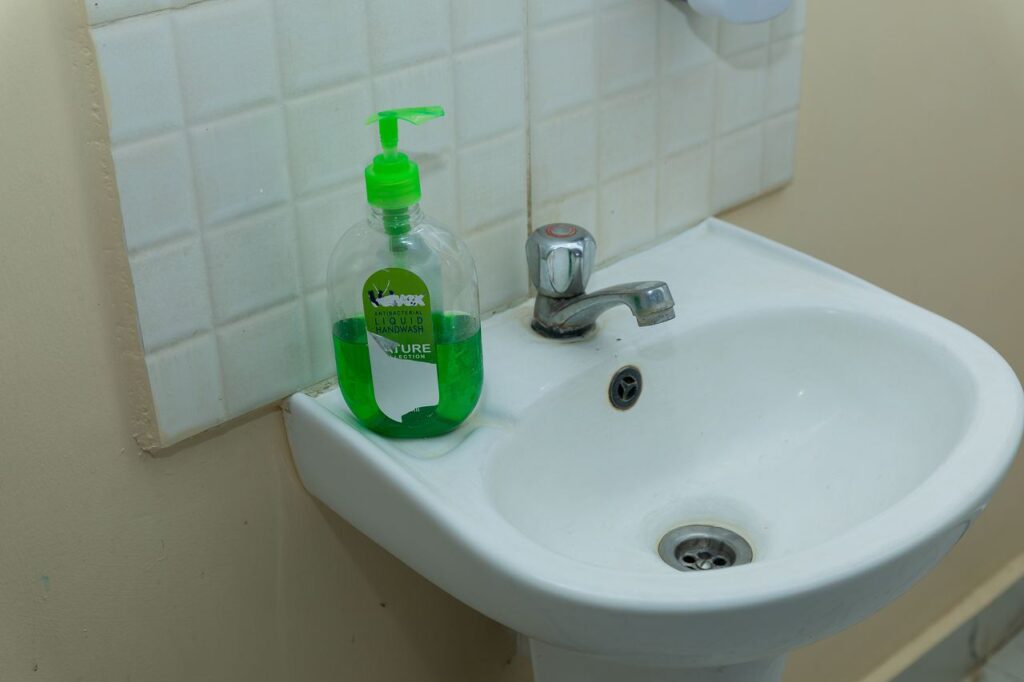
If there were a medicine that cut children’s diarrhoea cases dramatically and reduced coughs and colds too, every parent would want it. There is — it’s soap.
Why it matters so much. Most of the germs that cause stomach upsets, worms and respiratory infections travel on hands: from toilets, nappies, animals, soil and shared surfaces to little fingers, and from little fingers to mouths. Washing with soap physically removes these germs before they can cause illness.
The key moments. Build handwashing into the family routine at the times it matters most: after using the toilet or helping a child use it, after changing nappies, before preparing or eating food, after playing outside or touching animals, and after coughing, sneezing or blowing noses.
Teach the technique, make it fun. Wet hands, lather soap over palms, backs of hands, between fingers and under nails, scrub for about 20 seconds — the time it takes to sing ‘Happy Birthday’ twice — then rinse and dry. Young children learn by copying, so wash together. A small stool at the sink, a bar of soap they chose themselves, or a song they like turns a chore into a habit.
No running water? No problem. A simple tippy-tap or a jug-and-basin setup with soap works just as well. Where soap and water truly aren’t available, an alcohol-based hand sanitiser is a good backup — though it doesn’t remove visible dirt.
Beyond hands. Safe drinking water, properly stored food, clean feeding bottles and keeping toddlers’ play areas free of animal droppings complete the picture.
Hygiene is one of the cheapest, most effective health tools a family has. If your child has recurrent stomach upsets despite good hygiene, come in — persistent symptoms deserve a proper check-up.